

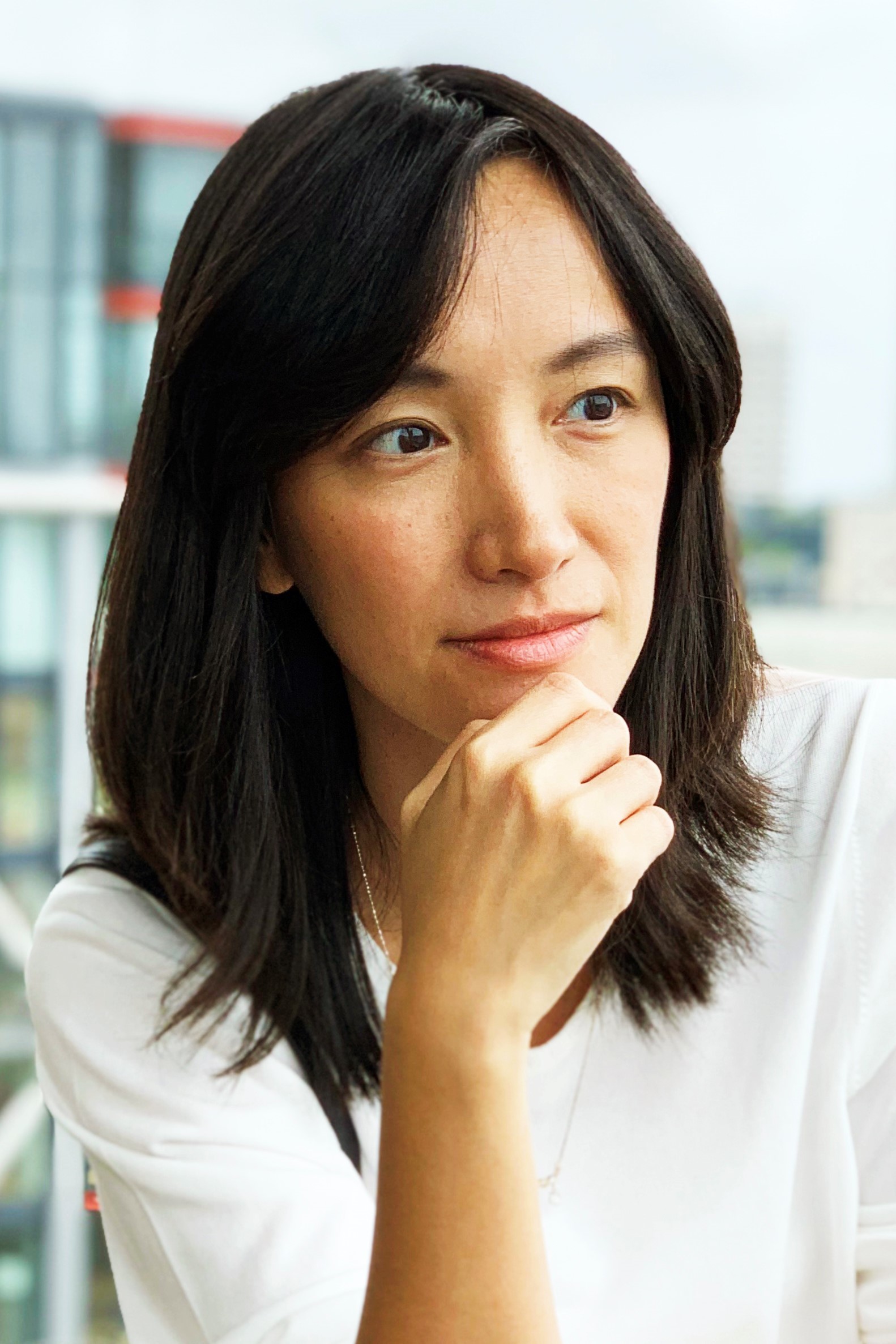
SHAO-YU HUANG, Ph.D
Head of Department of Architecture
Message From The Head
Architecture and design are often understood as the production of form and aesthetic expression, yet their deeper significance lies in how they allow us to apprehend the world, organise its complexity, and open up new possibilities within constrained conditions. From the structuring of a discussion, to the spatial operations of a community, to the coordination of urban systems, design permeates every dimension of our lived experience. It is not an embellishment applied at the end, but the framework through which questions are identified, arguments constructed, and spatial responses articulated in relation to the challenges of our time.
At the Department of Architecture at National Taipei University of Technology, design is approached as a mode of inquiry—a methodology for engaging with the world across scales, cultures, and epistemic boundaries. Situated in the dense and dynamic centre of Taipei, we are confronted directly with the realities of a rapidly shifting metropolis: diverse populations, intensive patterns of redevelopment, the pressures of environmental resilience, and the accelerating transformations of industry and technology. These conditions render architectural education inseparable from contemporary urban complexity and make it imperative to move beyond singular traditions or static technical frameworks. Our programme therefore seeks to reposition architectural thinking within the intertwined themes of environmental sustainability, design praxis, and digital culture.
Education here is not conceived as the pursuit of singular solutions, but as the cultivation of an ability to perceive the world from multiple perspectives. The architecture school is, above all, a place shaped by dialogue: a space where differing viewpoints, methods, and experiences unsettle one another and generate new trajectories of thought. Whether in design studios, site-based research, or cross-disciplinary and international collaborations, meaningful learning often emerges precisely through challenge—through being questioned, reoriented, and invited to respond with openness and intellectual generosity.
In an era defined by technological acceleration and intertwined climate crises, architectural learning must necessarily transcend disciplinary boundaries. Our engagements span the continuum from everyday spatial practices to the infrastructural systems that sustain urban life; from cultural heritage and community regeneration to design-led forms of intervention; from explorations in materiality, digital fabrication, and prototyping to critical reflections on the ethical and societal implications of design. Through these processes, students develop not only technical competence but also a sharpened awareness of the environments they inhabit.
International exchange further broadens this horizon. Through our collaborations with partner schools across Asia, Europe, and the United States, students encounter diverse architectural traditions and modes of knowledge production. Such experiences reinforce a fundamental understanding: that architecture is inherently polyphonic, and that education should not replicate a singular model but foster the capacity to think critically and creatively across multiple contexts.
Within this rapidly evolving world, architects are no longer solely makers of space; they are actors who mediate between social values, cultural memory, technological agency, and environmental responsibility. It is my hope that students who enter our school will gradually define their own intellectual and professional trajectories, cultivating independent thinking, cross-domain integration, and a practice grounded in humanistic care. With empathy, responsibility, and imagination, they will participate in shaping the cities and landscapes of the future.
I warmly invite you to join this community of dialogue, critique, and exploration, and to discover the horizons and possibilities that await you at Taipei Tech Architecture.